



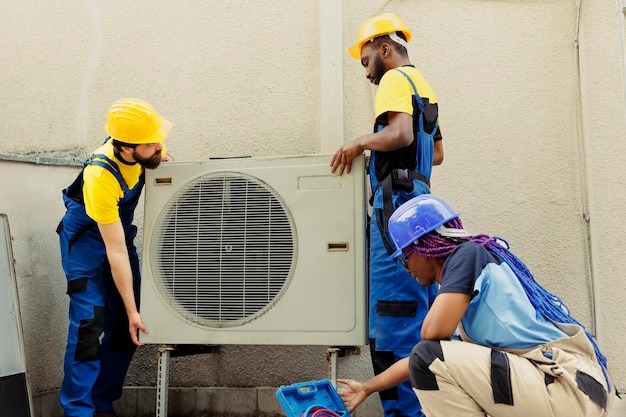
A well-maintained air conditioner can provide reliable cooling while using energy more effectively. Regular care can also help reduce unnecessary strain on the system and support consistent indoor comfort. Simple habits, such as changing filters and keeping outdoor components clear, can make a difference in how efficiently an air conditioner operates. Understanding when professional air conditioning repair is needed can also help prevent small problems from becoming larger ones.
1. Replace or Clean Air Filters
Air filters collect dust, dirt, and other particles that can restrict airflow when they become clogged. Check the filter regularly and clean or replace it according to the manufacturer’s recommendations.
Keeping the filter clean allows air to circulate more easily and can help the system operate efficiently.
2. Keep Vents and Registers Clear
Air conditioning repair professionals often recommend keeping vents and registers clear of obstructions. Furniture, curtains, boxes, and other objects can block vents and reduce airflow throughout the home.
Make sure supply and return vents have enough open space around them. Better airflow can help distribute cool air more evenly and reduce unnecessary strain on the air conditioner.
3. Keep the Outdoor Unit Clean
Leaves, grass, dirt, and other debris can collect around the outdoor condenser. Air conditioning repair professionals often recommend keeping the area around the unit clear so it has sufficient airflow.
Regularly checking the surrounding area and removing loose debris can support proper system performance.
4. Check the Thermostat Settings
Using appropriate thermostat settings can help prevent unnecessary cooling. A programmable or smart thermostat can make it easier to adjust temperatures based on your daily schedule.
Avoid making frequent extreme temperature changes, as consistent settings can help the system operate more efficiently.
5. Inspect Ductwork
For central air conditioning systems, ductwork plays an important role in distributing conditioned air. Leaks, gaps, or poor insulation can allow cool air to escape before reaching the intended rooms.
Having ductwork inspected when necessary can help improve airflow and reduce energy waste. Regular duct inspections can help identify leaks or disconnected sections that may affect cooling performance. Properly sealed and insulated ducts can also help deliver cooled air more effectively to each room.
6. Keep Doors and Windows Closed
Open doors and windows can allow cooled air to escape while warm outdoor air enters the home. During periods when the air conditioner is running, keeping windows and exterior doors closed can help maintain indoor temperatures.
Good insulation and properly sealed openings can also support cooling efficiency. This simple habit can help the air conditioner maintain the desired temperature without having to work harder than necessary.
Final Thoughts
Keeping an air conditioner efficient does not always require complicated steps. Clean filters, clear vents, a well-maintained outdoor unit, appropriate thermostat settings, and regular maintenance can all support better performance. Paying attention to warning signs and arranging air conditioning repair when needed can also help maintain reliable cooling. With consistent care, your air conditioner can provide comfortable indoor temperatures while operating more effectively over time.

