





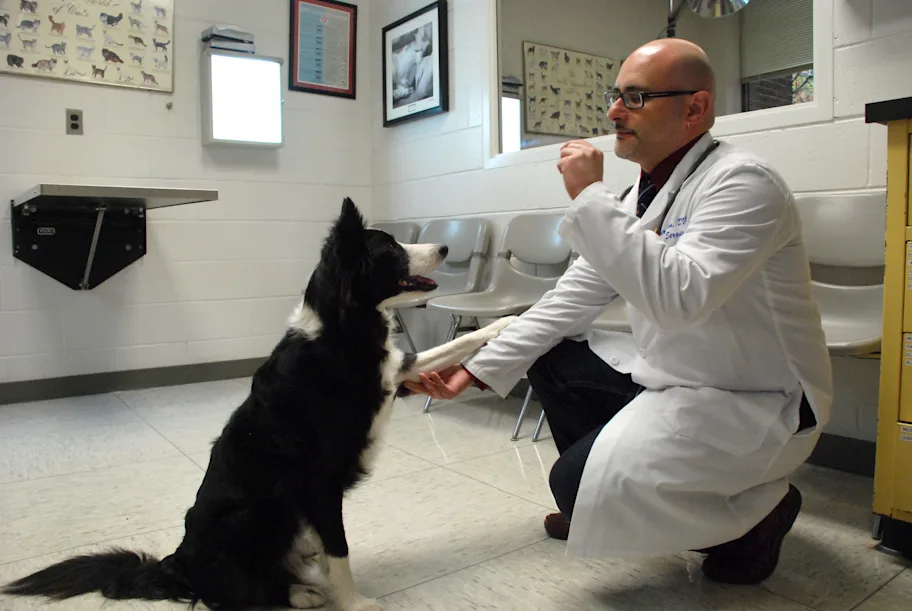
A professional canine behavior assessment helps dog owners understand why their pets behave in certain ways and what steps can improve those behaviors. From excessive barking and leash reactivity to fear, anxiety, and difficulty following commands, behavior challenges often have underlying causes that require more than basic obedience training.
A professional assessment examines the dog’s environment, daily routines, learning history, and responses to different situations. This information helps owners develop practical strategies suited to their dog’s individual needs.
What Is a Professional Canine Behavior Assessment?
A professional canine behavior assessment evaluates a dog’s behavior, temperament, triggers, and responses to its surroundings. The goal is to identify patterns that may explain specific challenges and determine appropriate training approaches.
Dogs communicate through body language, vocalizations, and movement. A dog that growls when approached, for example, may be expressing discomfort or fear rather than simple disobedience.
During an assessment, a qualified dog trainer may explore several areas, including:
- Behavior history: When the problem started and how frequently it occurs.
- Environmental triggers: People, animals, sounds, or situations that influence behavior.
- Body language: Signs of tension, fear, excitement, or relaxation.
- Training background: Previous methods, learned commands, and reinforcement patterns.
- Daily routine: Exercise, enrichment, rest, and time spent alone.
- Owner interaction: How household members respond to and reinforce behaviors.
These details help establish a clearer picture of the dog’s needs. An assessment should not rely on one incident or assume that every dog displaying the same behavior has the same motivation.
Why Understanding Behavior Matters Before Training
Training is more effective when the approach matches the reason a behavior occurs. Without understanding the cause, owners may correct visible symptoms while overlooking the factors maintaining the problem.
For example, a dog that barks at visitors might be excited, frightened, or uncomfortable with unfamiliar people. Each situation requires a different approach. Encouraging calm greetings may help an excitable dog, while a fearful dog may need more distance and gradual exposure.
Recognizing Fear, Anxiety, and Reactivity
Fear and anxiety can influence how dogs respond to everyday experiences. Some retreat or freeze, while others bark, lunge, growl, or attempt to escape.
Leash reactivity is one example. A dog may react when another dog approaches because it feels threatened, frustrated by restraint, or overwhelmed. Although the behavior may look similar, the appropriate training strategy depends on the dog’s individual response.
Observe the distance from the trigger, body posture, reaction intensity, and recovery time. These details provide useful information for a professional evaluation.
Sudden behavioral changes or signs of pain warrant veterinary attention. Medical conditions can affect behavior, and trainers should not diagnose health problems.
Signs Your Dog May Benefit From a Behavior Assessment
Persistent, escalating, or difficult-to-understand behaviors may benefit from professional guidance.
Consider seeking an assessment if your dog regularly displays:
- Excessive barking: Frequent vocalization around visitors, noises, or other dogs.
- Leash reactivity: Lunging, barking, or struggling to remain calm around people and animals.
- Destructive behavior: Chewing furniture or scratching doors in particular circumstances.
- Fearful responses: Hiding, trembling, or avoiding contact.
- Aggressive warning signals: Growling, snapping, or guarding resources.
- Difficulty settling: Persistent restlessness or trouble relaxing.
- Separation-related distress: Vocalization or escape attempts when left alone.
These behaviors should be considered in context. Destructive behavior, for example, may relate to boredom, anxiety, or unmet exercise needs.
If a dog has bitten someone or presents an immediate safety risk, avoid triggering situations and seek qualified professional and veterinary guidance.
How a Canine Behavior Evaluation Supports Better Training
A useful assessment should lead to practical recommendations. The findings help determine which skills to prioritize, which situations to manage, and how to measure progress.
1. Establish a Behavioral Baseline
Document the behavior’s frequency, intensity, triggers, and consequences. Safely recorded videos may help without deliberately provoking the dog.
This baseline makes progress easier to evaluate. Improvements might include fewer reactions, shorter recovery periods, or better responses to familiar cues.
2. Identify Triggers and Patterns
Observe what happens before and after the behavior. A dog that jumps on visitors may receive attention for jumping, while a dog barking at passing dogs may feel relief when they move away.
These patterns can help a trainer identify possible explanations and select appropriate strategies.
3. Develop an Individualized Training Plan
Training should reflect the dog’s temperament, learning history, environment, and ability to handle challenges.
A plan may include reward-based training, management of triggering situations, gradual exposure, and exercises that encourage alternative behaviors. Owners should understand how to practice safely between sessions.
4. Monitor Progress and Adjust
A dog may perform well at home but struggle in a busy park. Such differences show where training difficulty or environmental conditions may need adjustment.
Review progress regularly and modify the plan when the dog shows distress or improvements stall.
Preparing for Your Dog’s Professional Assessment
Owners can make an evaluation more productive by gathering relevant information beforehand.
Prepare to discuss:
- When the behavior began and how it has changed.
- Situations that trigger or reduce it.
- Previous training methods and results.
- Daily exercise, sleep, and enrichment routines.
- Relevant veterinary history or household changes.
- Your goals for training.
Be honest about growling, snapping, bites, or escape attempts. This information helps the professional recommend suitable safety precautions.
Never recreate dangerous situations just to demonstrate a problem. Written descriptions and safely recorded observations may be sufficient.
Choosing the Right Dog Training Professional
Look for a trainer who gathers a detailed history, explains recommendations, and adapts training to the individual dog.
Useful questions include:
- How do you evaluate behavioral triggers?
- Which training methods do you use?
- How will progress be measured?
- What should owners practice between sessions?
- When is veterinary involvement appropriate?
Be cautious of guaranteed results within a fixed number of sessions or methods that rely on intimidation without considering the dog’s emotional state. Responsible professionals explain realistic expectations and recognize the limits of their expertise.
Build a Better Relationship Through Informed Training
A professional canine behavior assessment helps owners understand their dog’s behavior and make informed training decisions. By identifying triggers, recognizing communication signals, and establishing achievable goals, owners can address challenges more consistently.
Lasting improvements often require patience, appropriate training, environmental management, and regular evaluation.
Rob’s Dog Training helps owners explore solutions for behavioral challenges and improve communication with their pets. To learn more about available services, visit robsdogs.

