

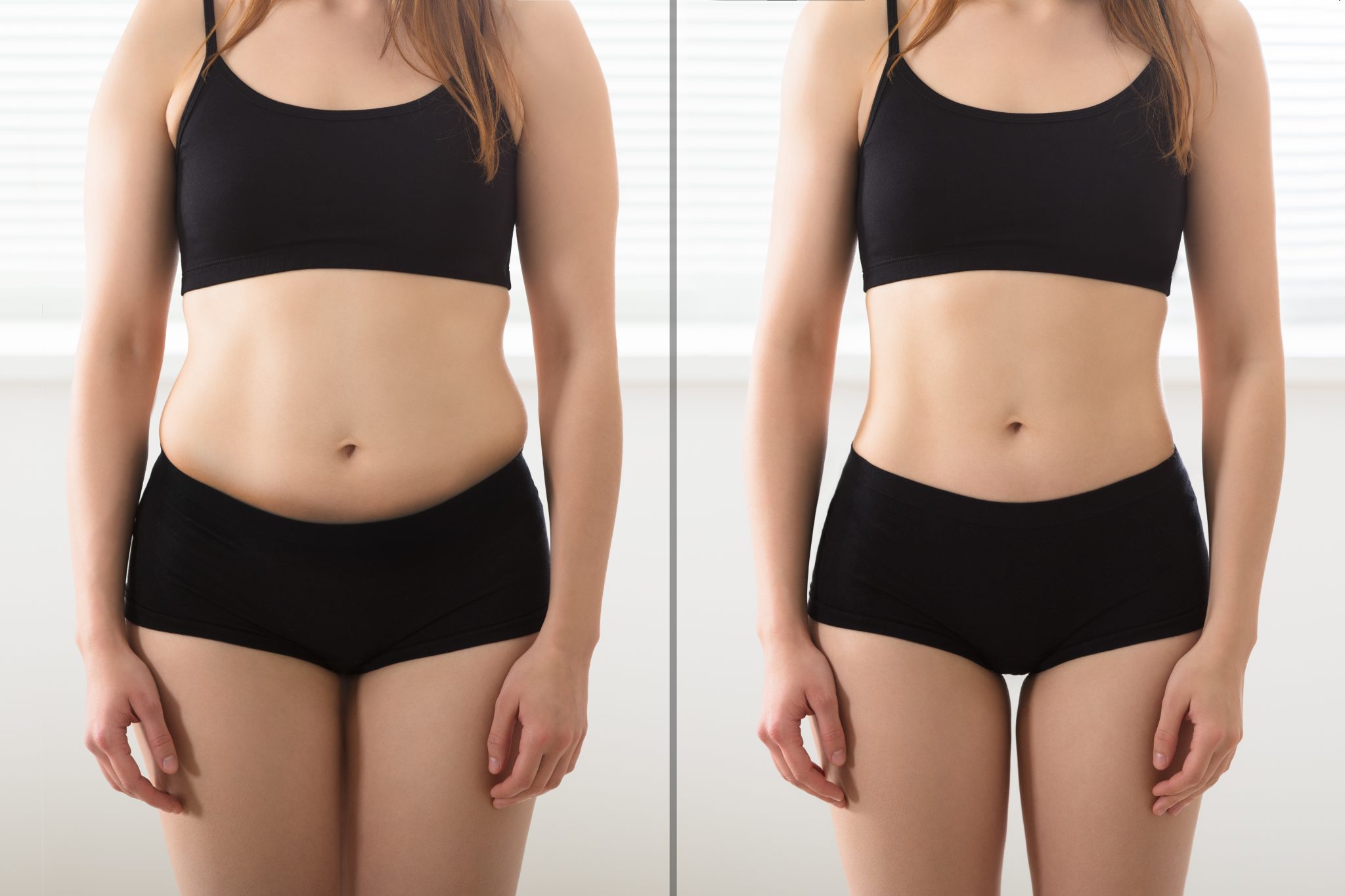
Laser lipo has become a popular approach to body contouring for people who have localized areas of fat that remain despite a healthy lifestyle. Unlike traditional weight-loss methods, the purpose of laser-assisted lipolysis is to reshape specific areas rather than significantly reduce overall body weight. The results can vary depending on the treatment technique, area treated, amount of fat present, skin elasticity, and individual healing response.
What Is Laser Lipo Designed to Achieve?
Laser lipo uses laser energy to heat and disrupt fat cells. Depending on the technique, the liquefied fat may then be removed through aspiration. Laser-assisted liposuction is therefore different from completely noninvasive fat-reduction treatments, which do not physically remove tissue from the body.
The main objective is body contouring. Someone may have a relatively stable weight but still notice fullness around the abdomen, waist, thighs, arms, chin, or another localized area. Treating these pockets can create a more proportionate and defined appearance.
What Results Can You Expect?
A More Defined Body Contour
One of the most noticeable potential benefits is improved body shape. By reducing localized fat deposits, laser lipo can make certain areas appear slimmer and more sculpted.
For example, reducing fat around the waist may create a more defined transition between the abdomen and hips. Treatment around the chin can potentially produce a cleaner jawline, while treatment on the arms or thighs may create a more streamlined appearance.
The goal isn’t necessarily a dramatic change on the scale. Instead, the improvement is usually most apparent in the shape and proportions of the treated area.
Results May Develop Gradually
Don’t expect the final appearance immediately after treatment. Swelling, bruising, fluid retention, and temporary tenderness can make the treated area look different during the early healing period. As swelling decreases, the underlying contour becomes easier to see.
Laser lipolysis generally has a relatively short recovery compared with more extensive surgical procedures, but individual healing varies. Clinical evidence has also reported temporary effects such as pain, swelling, redness, and firmness that resolved during recovery.
When Will You See the Final Outcome?
There is no single timeline that applies to everyone. Early changes may become noticeable as postoperative swelling settles, while the final contour can take considerably longer to appreciate.
For surgical liposuction procedures, complete resolution of swelling can take several months, with Cleveland Clinic noting that full results may take around three to six months.
Your treatment area, amount of fat removed, technique used, skin quality, and healing response can all influence when your final result becomes apparent.
Can Laser Lipo Tighten the Skin?
One reason laser-assisted techniques attract attention is the potential for laser energy to affect the tissues surrounding the treated fat. However, it is important not to assume that laser lipo can correct significant loose or hanging skin.
If substantial skin laxity is present, removing fat alone may not produce the desired appearance. Traditional liposuction also does not eliminate loose skin, and some patients may require a different body-contouring approach when excess skin is a major concern.
Finding the Right Treatment Option
People researching laser liposuction near me should look beyond convenience and consider the qualifications and experience of the medical professional performing the procedure. A consultation should include discussion of your goals, the area you want treated, expected results, possible complications, recovery requirements, and whether laser-assisted treatment is appropriate for your situation.
It can also be useful to ask how the provider defines a successful outcome and to review before-and-after examples of patients with similar treatment goals.
Is Laser Lipo a Weight-Loss Treatment?
Laser lipo should not be viewed as a substitute for weight management. Body-contouring procedures are generally intended to address localized fat rather than obesity or overall weight reduction.
Someone who maintains a relatively stable weight and has isolated areas of stubborn fat may be a more appropriate candidate than someone primarily seeking substantial weight loss.
How Long Can the Results Last?
When fat cells are removed during liposuction, those particular cells are permanently removed. However, this does not make a person immune to future weight gain. Remaining fat cells can enlarge if body weight increases, potentially changing the overall contour. Maintaining a stable weight and healthy lifestyle can therefore help preserve the cosmetic improvement.
What About Possible Risks?
Although laser-assisted liposuction can be minimally invasive, it is still a medical procedure and isn’t completely risk-free. Potential issues can include swelling, bruising, discomfort, changes in sensation or skin color, infection, contour irregularities, scarring, and—in laser-assisted procedures—thermal injury such as burns.
A qualified provider should explain both the expected benefits and possible complications before treatment.
The Bottom Line
Laser lipo can be useful for reshaping specific areas of stubborn fat, rather than producing major weight loss. The most realistic expectation is a gradual improvement in body contours as swelling subsides and healing progresses. Results differ from person to person, so a professional assessment is important for determining whether the procedure can realistically achieve your desired outcome.
The best results generally come from approaching laser lipo as a body-contouring procedure, setting realistic expectations, choosing an appropriately qualified provider, and maintaining a stable lifestyle after treatment.
