


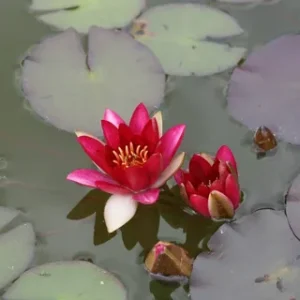


Marginal pond plants are a beautiful way to add color, texture, and natural character to a garden pond. These plants grow in shallow water or consistently moist soil around the edges of ponds, making them ideal for creating a natural transition between the water and surrounding landscape.
For beginners, choosing the right plants and understanding their basic needs can make pond gardening much easier. This guide explains everything you need to know about planting, caring for, and maintaining marginal pond plants.
What Are Marginal Pond Plants?
Marginal pond plants are aquatic or semi-aquatic plants that naturally grow along the edges of ponds, streams, and wetlands. Their roots are usually submerged or planted in saturated soil, while their stems and leaves grow above the water.
Common examples include water iris, marsh marigold, pickerelweed, and certain varieties of rushes and sedges. Besides improving the appearance of a pond, these plants can provide shelter for insects, amphibians, and other small wildlife.
Why Grow Marginal Pond Plants?
There are several reasons to add marginal plants to your pond.
- They improve appearance: Flowers and foliage can make a pond look more natural and attractive.
- They support wildlife: Marginal plants provide shelter and habitat for insects, frogs, and other pond visitors.
- They help stabilize the pond edge: Their roots can help hold moist soil in place.
- They add variety: Different heights, colors, and leaf shapes create visual interest.
- They complement aquatic plants: Marginals work well alongside floating and fully submerged pond plants.
Choosing the Right Plants
The first step in growing marginal pond plants is selecting varieties that suit your pond’s conditions. Consider the amount of sunlight, the depth of the planting area, local climate, and the size of your pond.
For sunny locations, flowering plants such as water iris and pickerelweed can provide attractive blooms. In partially shaded areas, choose plants that tolerate lower light levels.
It is also important to check the mature size of each plant. A vigorous plant can quickly spread across a small pond if it is not properly controlled.
How to Plant Marginal Pond Plants
Planting marginal plants is relatively simple when you have the correct depth and growing conditions.
1. Select a Shallow Area
Most marginal plants prefer shallow water rather than deep pond areas. Depending on the species, the planting depth may range from wet soil to several inches of water above the roots.
Always check the requirements of the individual plant before placing it in the pond.
2. Use Suitable Soil
Marginal plants generally grow best in heavy, moisture-retentive soil. Avoid ordinary lightweight potting mixes because they can float away or release excess organic material into the pond.
Aquatic planting soil or heavy garden loam is usually a better option.
3. Plant in Containers
Using aquatic baskets or containers can make maintenance much easier. Place the plant in suitable soil, position it at the correct depth, and then place the container on a pond shelf.
Containers also help prevent aggressive plants from spreading too quickly.
4. Secure the Plant
After planting, make sure the roots and soil are secure. Water movement can disturb newly planted vegetation, especially in ponds with pumps, fountains, or strong currents.
Caring for Marginal Pond Plants
Once established, most marginal plants require relatively little maintenance. However, regular care will help them remain healthy and attractive.
Provide Adequate Sunlight
Most flowering marginal plants perform best with several hours of sunlight each day. However, sunlight requirements vary between species, so choose plants according to the conditions around your pond.
Control Growth
Some marginal plants spread rapidly through roots, runners, or seeds. Remove excess growth when necessary to prevent plants from taking over the pond edge.
Dividing plants every few years can also help keep them vigorous and manageable.
Remove Dead Growth
Cut away dead leaves, stems, and flowers when appropriate. Removing decaying material helps keep the pond tidy and reduces the amount of organic debris entering the water.
For many perennial plants, cutting back old growth at the appropriate time also encourages healthier new growth.
Common Mistakes Beginners Should Avoid
Growing marginal pond plants is generally straightforward, but beginners can encounter a few common problems.
One mistake is planting a species too deeply. A plant that prefers moist soil or very shallow water may struggle if its crown is permanently submerged.
Another problem is overcrowding. Planting too many specimens close together can lead to poor airflow and excessive competition for nutrients.
Beginners should also avoid choosing plants solely because they look attractive. Some species can spread aggressively and become difficult to control. Research the mature size and growth habits of a plant before introducing it to your pond.
Seasonal Maintenance
Marginal plants have different maintenance requirements throughout the year.
In spring, remove damaged growth and check whether plants need dividing or repotting. During summer, monitor growth and remove dead flowers or overcrowded foliage.
In autumn, many perennial marginal plants naturally begin to die back. Depending on the species, old stems can be trimmed to keep the pond neat. During winter, avoid unnecessary disturbance and follow the specific winter-care requirements of your plants.
Best Marginal Plants for Beginners
If you are new to pond gardening, start with plants that are relatively easy to establish and maintain. Water iris, marsh marigold, pickerelweed, rushes, and sedges can all be worth considering, depending on your climate and pond conditions.
Choose a combination of flowering and foliage plants to create variety. Mixing different heights can also give your pond edge a more natural appearance.
Final Tips for Success
The key to successfully growing marginal pond plants is matching each plant to the right environment. Pay attention to planting depth, sunlight, soil, mature size, and growth habits.
Start with a small number of plants rather than filling the entire pond edge immediately. As you learn how each variety performs, you can gradually add more plants and adjust their placement.
With thoughtful selection and basic maintenance, marginal plants can transform an ordinary pond into a colorful, natural-looking garden feature that also provides valuable habitat for local wildlife.

