

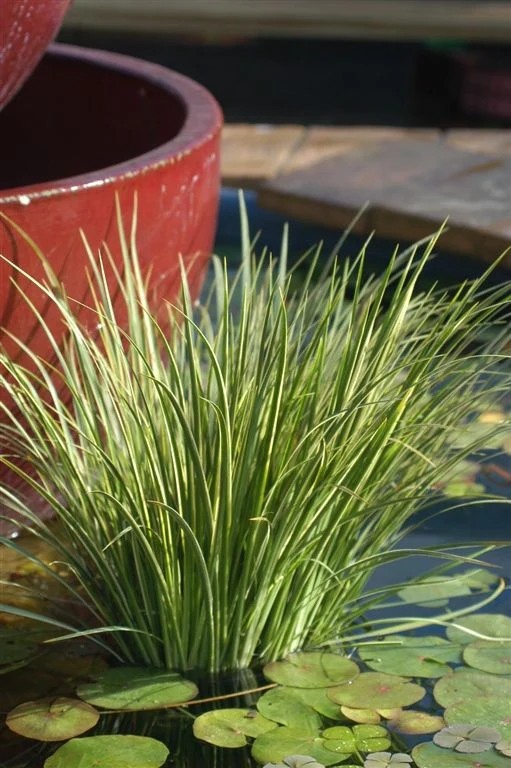
A garden pond can become a beautiful focal point, attracting wildlife while adding colour, texture, and movement to your outdoor space. Choosing the right plants is essential for creating a healthy and attractive pond. British pond plants are particularly useful because many are well suited to the local climate and can provide valuable habitats for insects, amphibians, and other wildlife.
If you want to Discover the Best British Pond Plants for Your Garden, it helps to understand the different types of pond plants and where they grow best.
Why Choose British Pond Plants?
Native and traditional British pond plants are adapted to the country’s generally temperate conditions. They can cope with seasonal changes and, when planted appropriately, can contribute to a balanced pond ecosystem.
Pond plants can also provide several benefits:
- Wildlife habitat: Plants give insects, frogs, newts, and other creatures places to shelter and feed.
- Natural appearance: Native species can create a more authentic countryside feel.
- Water quality: Some aquatic plants absorb nutrients from the water and can help limit excessive algae growth.
- Shade and shelter: Floating and marginal plants can provide cover for aquatic life.
- Seasonal interest: Different plants flower at different times, keeping the pond attractive throughout the year.
Best Types of British Pond Plants
When planning your pond, consider using a mixture of submerged, floating, and marginal plants. Each type performs a different role.
Water Mint
Water mint is a fragrant native plant that thrives in damp conditions and around pond margins. Its attractive flowers can add colour during summer while providing a useful source of nectar for pollinating insects.
It is particularly suitable for the edges of natural-looking ponds where the soil remains consistently moist.
Yellow Flag Iris
Yellow flag iris is one of the most recognisable plants associated with British wetlands. Its tall leaves and striking yellow flowers can create an impressive display around the edge of a pond.
Because it can grow vigorously, it is important to give it sufficient space and manage it regularly.
Marsh Marigold
Marsh marigold is an excellent choice for adding bright colour to shallow pond margins. Its yellow flowers appear in spring and early summer, making it particularly valuable for giving the pond an early-season display.
It prefers damp or wet soil and works well in shallow areas where its roots can remain moist.
Water Crowfoot
Water crowfoot is a submerged aquatic plant that can produce delicate flowers at the water’s surface. It can also provide underwater cover for aquatic creatures.
This type of plant is best suited to ponds with suitable water conditions and enough space for it to spread without becoming overwhelming.
How to Choose Plants for Your Pond
Before buying plants, consider the depth, size, and location of your pond. Not every species will thrive at the same depth.
Marginal plants generally grow around shallow edges, while deeper-water plants require greater water depth. Submerged plants live beneath the surface, and floating plants remain on or near the water’s surface.
Sunlight is another important consideration. Most flowering pond plants perform well with plenty of light, although some species can tolerate partial shade.
If you’re looking to Discover the Best British Pond Plants for Your Garden, selecting several varieties that occupy different parts of the pond can help create a more diverse and natural environment.
Planting and Maintaining Your Pond Plants
The best time to establish many pond plants is during the growing season, when conditions encourage healthy root development. Use appropriate aquatic planting baskets or containers where necessary, particularly for vigorous species.
Avoid overcrowding the pond when planting. Although plants are beneficial, excessive growth can cover too much of the water surface and reduce light and oxygen availability.
Regular maintenance can include removing dead leaves, trimming overgrown plants, and dividing vigorous specimens when necessary. Always remove unwanted plant material carefully so that it does not unnecessarily decay in the water.
Create a Wildlife-Friendly Pond
A carefully planted pond can become much more than a decorative feature. Dense marginal vegetation can provide shelter for frogs and insects, while submerged plants create underwater habitats.
Try to include plants that flower at different times of the year. This can provide a longer-lasting source of food for pollinators and keep your pond visually interesting across the seasons.
It is also worth leaving some areas relatively open. A mixture of vegetation and clear water often creates a more varied habitat than a pond that is completely covered with plants.
Final Thoughts
Choosing suitable plants is one of the simplest ways to transform a garden pond into an attractive and wildlife-friendly feature. From fragrant water mint and colourful marsh marigold to yellow flag iris and underwater species such as water crowfoot, there are plenty of options to explore.
Take your pond’s depth, sunlight, size, and maintenance requirements into account before planting. With the right combination, you can Discover the Best British Pond Plants for Your Garden and create a beautiful outdoor feature that changes with the seasons.
