

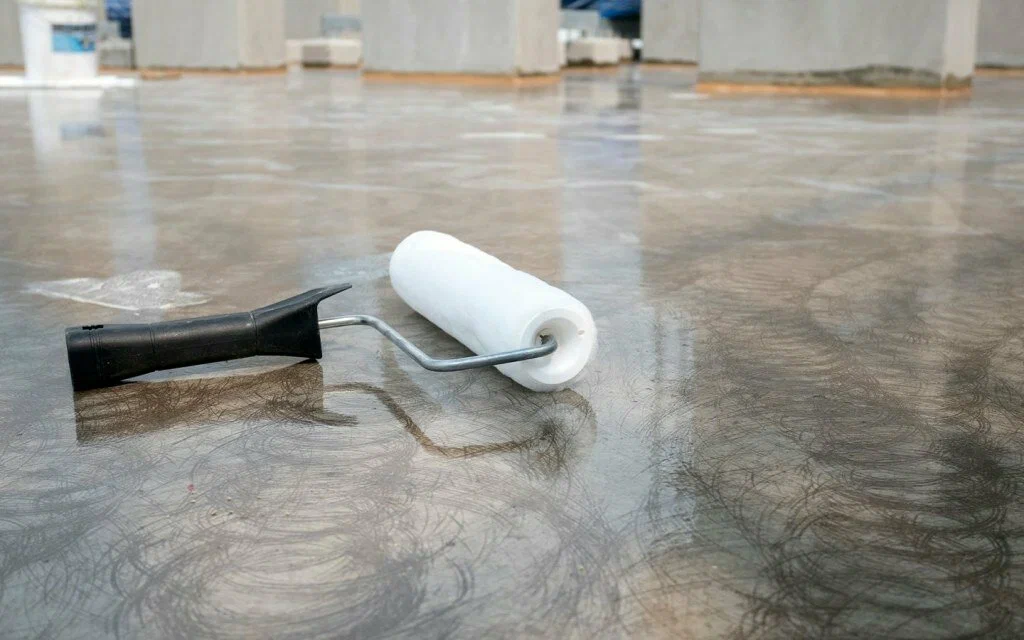
Commercial concrete floors face constant demands, from daily foot traffic and equipment movement to spills, abrasion, and routine cleaning. Selecting experienced commercial concrete coating contractors like Superior Garage Flooring can help businesses protect existing concrete, improve floor appearance, and simplify maintenance. The right coating system depends on the property’s intended use, the condition of the concrete, and the performance required from the finished surface.
For warehouses, workshops, commercial garages, and other business facilities, professional concrete coatings offer a practical way to upgrade flooring without automatically replacing the existing slab. Understanding the available options and installation requirements helps property owners make informed decisions.
Why Businesses Invest in Commercial Concrete Floor Coatings
Bare concrete can produce dust, absorb certain liquids, and develop visible wear over time. A suitable coating or sealer can help address these concerns while creating a more uniform, professional-looking surface.
Depending on the product and application, commercial concrete floor coatings may provide several benefits:
- Improved surface protection: Coatings can help protect concrete against abrasion, stains, and selected chemicals.
- Simplified maintenance: Properly installed systems can make routine sweeping and cleaning easier.
- Enhanced appearance: Different colors and finishes can create a cleaner, more consistent look.
- Reduced concrete dusting: Suitable coatings can seal the surface and help limit dust generated by exposed concrete.
- Greater usability: The appropriate system can support the demands of specific work areas when matched to traffic and operating conditions.
These benefits depend on the coating specification, installation quality, and maintenance practices. No single system is suitable for every commercial environment.
How to Choose Commercial Concrete Coating Contractors
Finding a contractor involves more than comparing quotations. Businesses should evaluate the proposed flooring system, preparation methods, product specifications, and project requirements before making a commitment.
1. Assess Relevant Experience
Different facilities place different demands on their floors. A commercial garage may require resistance to automotive fluids, while a warehouse may need a surface capable of handling repeated forklift traffic.
Ask potential contractors about similar projects and how the selected coating addressed the property’s specific needs. Relevant experience can help identify practical considerations before installation begins.
2. Review Surface Preparation Methods
Concrete preparation is essential to coating performance. Dust, oil, grease, weak concrete, and existing coatings can interfere with adhesion if they are not addressed correctly.
Professional preparation may involve mechanical grinding, contaminant removal, crack repairs, and other surface treatments suited to the slab. Contractors should explain how the existing concrete will be assessed and prepared before applying the coating.
3. Compare Written Estimates
A detailed estimate helps property owners understand what a project includes. Rather than choosing solely on the lowest price, compare the proposed materials, preparation work, number of coating layers, repair requirements, and expected completion schedule.
Clarify whether the estimate includes moving equipment, addressing damaged concrete, and preparing the space for use after installation. These details can prevent misunderstandings and make competing proposals easier to evaluate.
Understanding Commercial Concrete Coating Options
The best coating depends on the environment, expected traffic, exposure conditions, and maintenance requirements. Commercial concrete coating contractors should explain the differences between available systems instead of recommending a product without assessing the site.
Epoxy Floor Coatings
Epoxy coatings are commonly used where a durable, smooth, and easy-to-clean surface is desirable. Depending on the formulation and installation, epoxy can provide resistance to abrasion, stains, and various chemicals.
Potential applications include workshops, service areas, garages, and selected warehouse spaces. However, product suitability depends on the anticipated loads, chemical exposure, moisture conditions, and required slip resistance.
Polyaspartic Coatings
Polyaspartic coatings can offer fast curing and useful resistance to ultraviolet exposure, depending on the product. These characteristics may benefit facilities seeking to limit installation downtime or coat areas exposed to sunlight.
Application conditions and working times vary by system. The contractor should explain the preparation requirements, curing schedule, and when employees, vehicles, or equipment can safely return to the floor.
Concrete Sealers
Concrete sealers provide another option for protecting suitable concrete surfaces. Depending on the formulation, a sealer may help reduce liquid penetration, staining, or surface deterioration.
A sealer is not necessarily equivalent to a thicker resin coating. Businesses should consider the expected traffic and performance requirements before deciding whether sealing or a more substantial coating system is appropriate.
Important Factors Before Installing Commercial Floor Coatings
A successful flooring project begins with understanding the conditions beneath the proposed finish. Even high-quality coating materials may perform poorly when applied to an unsuitable or inadequately prepared surface.
Before approving a project, consider these important factors:
- Concrete condition: Identify cracks, spalling, uneven areas, and previous coating failures that may require attention.
- Moisture levels: Excess moisture or vapor transmission can contribute to adhesion problems with incompatible systems.
- Traffic demands: Consider pedestrian movement, vehicle tires, forklifts, rolling equipment, and concentrated loads.
- Chemical exposure: Identify the liquids, cleaning agents, oils, or other substances likely to contact the floor.
- Slip resistance: Select a finish appropriate for the work environment, including areas exposed to water or other contaminants.
- Curing requirements: Confirm the time needed before foot traffic, vehicles, heavy equipment, or normal operations can resume.
Addressing these conditions early helps establish realistic expectations and reduces the likelihood of avoidable installation problems.
How Professional Installation Supports Long-Term Performance
Commercial concrete coating installation involves more than applying a finishing material. Each stage contributes to the performance and appearance of the completed floor.
A typical project may include the following steps:
- Site assessment: The contractor evaluates the concrete, identifies problem areas, and determines the facility’s flooring requirements.
- Surface preparation: The slab is cleaned and mechanically prepared as required by the selected coating system.
- Concrete repairs: Appropriate repairs address cracks, damaged areas, or surface defects within the agreed project scope.
- Coating application: The specified materials are applied according to product requirements and site conditions.
- Curing and inspection: The coating is allowed to cure for the required period, and the completed surface is checked before use.
The exact process varies by product and project. Businesses should request a clear explanation of each stage so facility managers can coordinate access restrictions, equipment relocation, and operational schedules.
Planning for Maintenance and Facility Operations
A coated floor still requires appropriate care. Regular maintenance helps preserve its appearance and allows facility managers to identify damage before it becomes more extensive.
Use cleaning products compatible with the installed system, remove spills promptly, and avoid abrasive tools or chemicals that may damage the finish. Heavy equipment should be operated according to the coating’s load and use requirements.
Periodic inspections can also help identify peeling, chips, cracks, or worn areas. Where damage appears, seek advice on suitable repairs rather than applying an incompatible product over the affected section.
Before installation, ask commercial concrete coating contractors for written maintenance recommendations and information about warranty conditions. Understanding these responsibilities helps businesses plan for the floor’s ongoing care.
Choosing a Suitable Commercial Concrete Coating Partner
A reliable contractor should be able to explain the proposed system, preparation process, material specifications, expected curing time, and limitations. Clear communication is especially important when flooring work must be coordinated with employees, customers, deliveries, or equipment schedules.
Review licensing and insurance where applicable, request relevant project references, and confirm that the written agreement reflects the work discussed. Ask questions whenever a proposal makes broad claims about durability, chemical resistance, or maintenance-free performance.
Businesses exploring concrete coating solutions can also review the services offered by Superior Garage Flooring. The company lists epoxy and polyaspartic flooring options, concrete sealing, and other concrete surface services. Contacting the provider directly can help establish whether an available solution suits a particular commercial property’s requirements.
Conclusion
Choosing the right commercial concrete coating contractors can help businesses protect existing concrete, improve floor maintenance, and create a more professional working environment. The most effective approach begins with assessing the slab, identifying operational demands, and comparing suitable coating systems.
By prioritizing proper surface preparation, transparent estimates, appropriate material selection, and realistic curing schedules, property owners can make better-informed flooring decisions. Superior Garage Flooring offers concrete flooring solutions worth exploring for businesses seeking a suitable coating system that meets their facility’s everyday needs.
