

Some things never go out of style. While interior trends shift with the seasons, the appeal of a well-crafted rug remains constant. Handknotted rugs are more than just floor coverings; they are historical records woven into existence, carrying centuries of art and culture in their threads.
These pieces bring warmth, character, and a sense of permanence to a home. Whether you live in a modern apartment or a heritage property, a traditional rug anchors the room like nothing else can.
At The Ambiente, based in New Delhi, we understand this enduring appeal. Backed by over 30 years of expertise from Bhadohi Carpets, we see firsthand how these intricate designs transform spaces. Let’s look at why these rugs matter and the specific designs that continue to captivate homeowners today.
The Story Behind the Knot
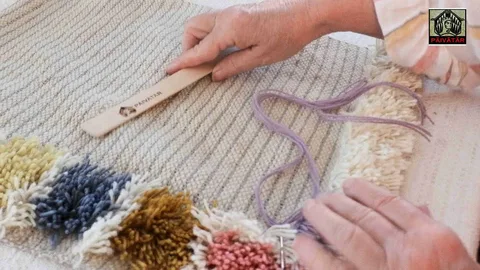
A handknotted rug is exactly what it sounds like. An artisan ties every single knot by hand on a loom. This is not a machine-made replica or a tufted piece held together with glue. It is a labor-intensive process that can take months, sometimes even years, to complete depending on the size and complexity of the pattern.
The history of this craft stretches back thousands of years. From the nomadic tribes of Central Asia to the royal courts of the Mughal Empire, weaving has always been a prestigious art form. The density of the knots determines the quality—the higher the knot count, the finer the detail and the more durable the rug.
This technique results in a product that handles heavy foot traffic with ease. In fact, these rugs often look better with age. The colors soften, the wool develops a sheen, and the piece gains character. When you buy premium carpets made this way, you acquire an heirloom that you can pass down to the next generation.
Iconic Designs That Define the Genre
When people think of “classic” rugs, they usually picture specific motifs and layouts. These designs originate from various weaving centers across the “Rug Belt”—a region stretching from Morocco across the Middle East to India and China. Here are the top design styles that remain popular today.
1. The Herati Pattern
Often called the “fish pattern,” the Herati design is widespread in Persian rugs. It features a flower centered inside a diamond, with curved leaves (that look like fish) surrounding it. You will often see this pattern used as an all-over design, repeating across the entire field of the rug. It is versatile and works beautifully in formal living rooms or dining areas.
2. The Medallion Layout
This is perhaps the most recognizable rug format. A large, ornate centerpiece (the medallion) sits in the middle of the rug, representing the sun, a lotus, or a spiritual center. The corners of the rug often feature quarter-medallions that echo the central shape. This layout draws the eye inward and creates a strong focal point in a room. It pairs perfectly with furniture arrangements where the center of the rug remains visible.
3. Floral and curvilinear Motifs
Unlike the sharp angles of tribal rugs, city rugs (woven in urban centers like Isfahan or Tabriz) often feature flowing, curved lines. These intricate floral vines require a high knot count to execute smoothly. They bring a softness to a room and often feature a rich palette of deep reds, indigos, and ivories.
4. Boteh (Paisley)
The Boteh is an ancient symbol representing a cypress tree, a flame, or a pear. It is the precursor to the modern paisley pattern. In hand knotted rugs, rows of Boteh motifs can create a rhythmic, calming effect. This design carries deep symbolism regarding life and eternity, making it a thoughtful addition to a personal study or bedroom.
5. Geometric Tribal Patterns
Not all traditional rugs feature flowers. Tribal rugs, often woven by nomadic groups, utilize bold geometric shapes—diamonds, octagons, and stars. These designs are memory-based, passed down through generations without written charts. They offer a more rustic, powerful aesthetic that contrasts brilliantly with sleek, modern furniture.
How The Ambiente Honors Tradition
At The Ambiente, we respect these historical lineages while adapting them for the modern Indian home. Our atelier in Bhadohi—India’s carpet hub—blends age-old techniques with contemporary sensibilities.
We work with over 4,000 women weavers who understand the language of the loom. They don’t just copy old patterns; they reinterpret them. We might take a classic floral motif but execute it in a muted, monochromatic color palette to suit a minimalist aesthetic. Or we might use traditional wool and silk blends to add a modern luster to an antique-style geometric pattern.
Our founders, Avani Khandelwal and Ayush Baranwal, built The Ambiente to bridge the gap between luxury and accessibility. We believe you should not have to travel to remote villages to find authentic hand knotted rugs. You can find them right here, curated with an eye for quality and design.
Why Choose a Handknotted Rug?
In a market flooded with machine-made options, why invest in a handknotted piece? The difference lies in three key areas: durability, artistry, and value.
Unmatched Durability
Machine-made rugs often rely on synthetic backings and adhesives that break down over time. A handknotted rug relies on friction and the tightness of the weave. The structural integrity is superior. You can wash them, walk on them, and live with them for decades.
A Piece of Art
No two handknotted rugs are exactly alike. Even if two weavers work from the same map, individual tension and knotting style create subtle variations. This “perfect imperfection” gives the rug its soul. It changes how light reflects off the pile, creating a depth of color that machines cannot replicate.
Investment Value
High-quality hand knotted rugs retain their value. Unlike mass-produced decor that ends up in a landfill, these pieces are assets. Collectors and interior designers always seek out well-maintained handmade rugs. When you buy rugs of this caliber, you make a financial decision as well as an aesthetic one.
Finding the Right Rug for Your Space
The right rug anchors a room. It sets the tone—or as our name suggests, the “Ambiente.” Whether you prefer the intricate swirls of a classic floral design or the bold lines of a tribal geometric pattern, a handknotted rug adds immediate sophistication.
At The Ambiente, we simplify the process. Our flagship store in New Delhi and our online platform offer a curated selection of premium carpets designed to last a lifetime. We invite you to browse our collection and find the piece that speaks to your home’s unique story.
